A Song of Algae and Fungi: The Game of Forming Lichen
Scientists uncover a molecular mechanism in a fungus that is critical to forming the symbiotic relationship that leads to lichen formation with alga
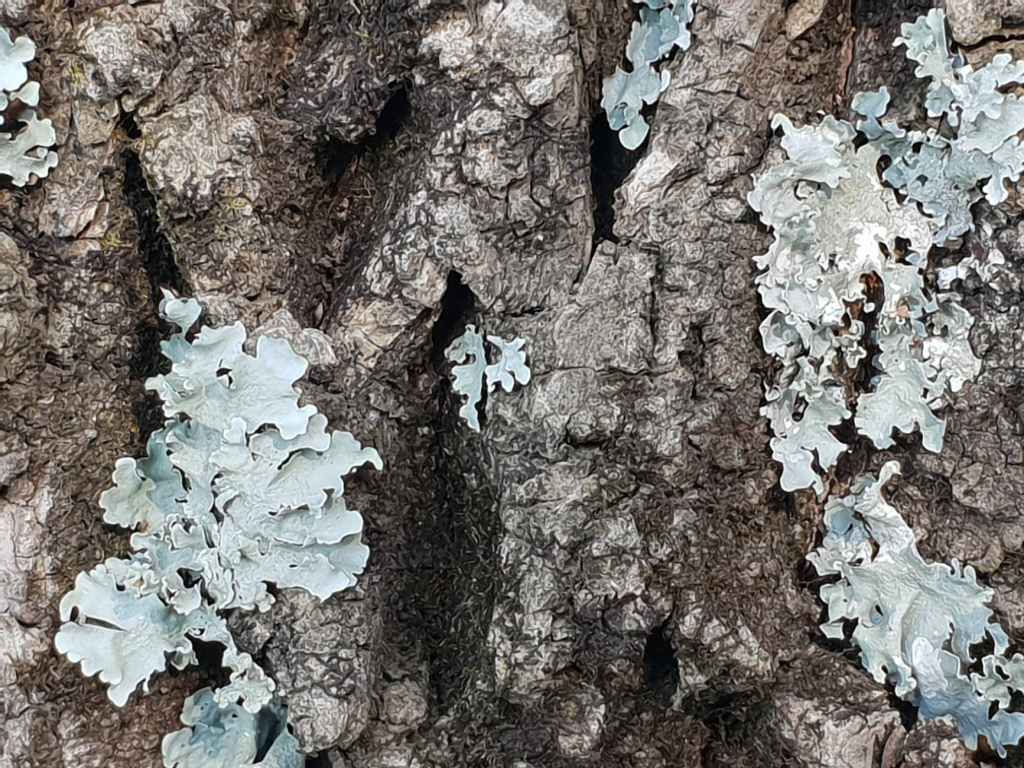
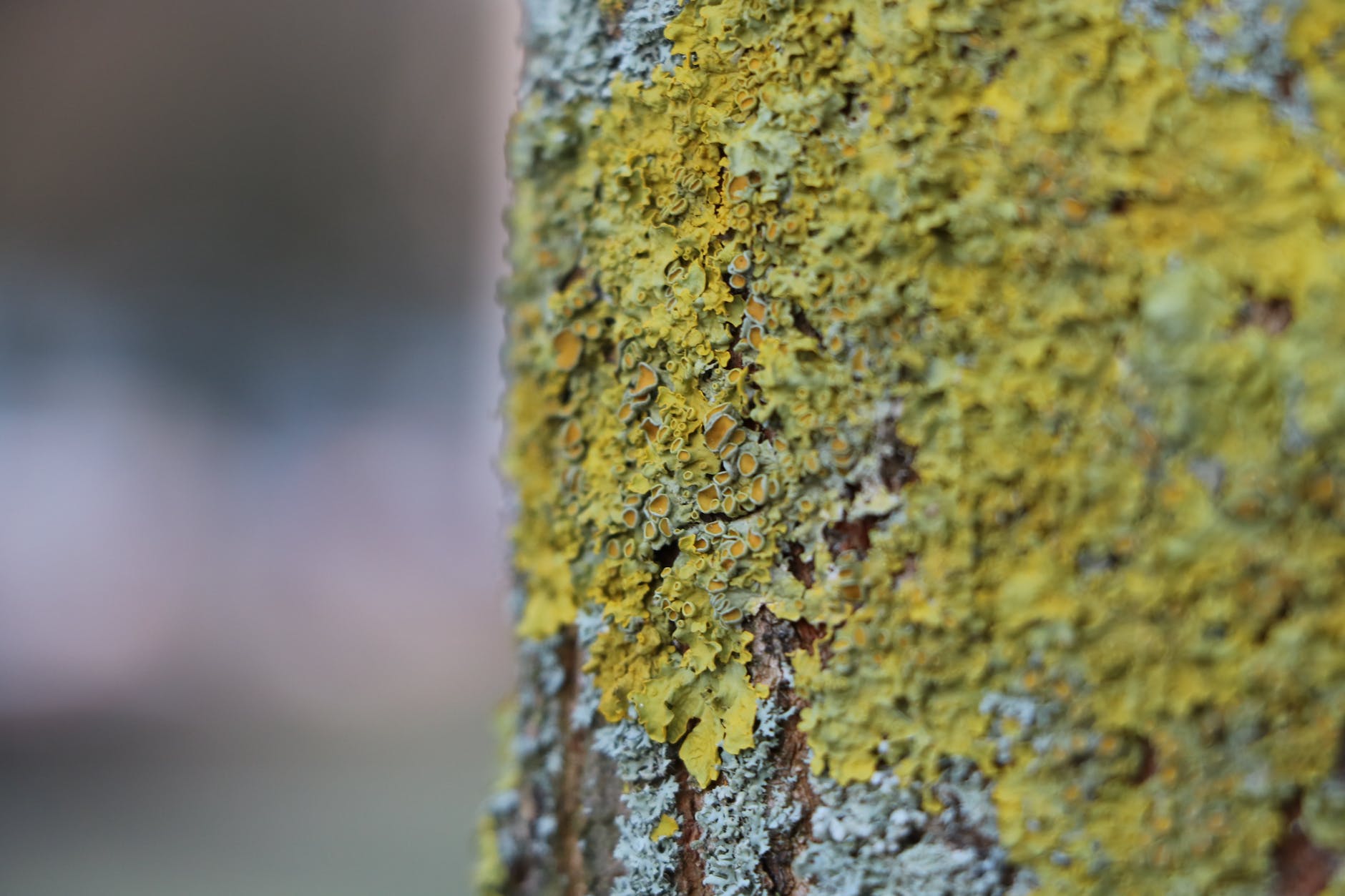
When you walk in the woods, it is impossible to miss the immense amount of lichen growing on trees. They have beautiful coloration, ranging from blueish-green to orange and yellow, and if you look up closely, they also have unique structure. A fact about lichens that may surprise you is that these are not a single organism; actually, lichens are the result of different microbes that come together in a symbiotic relationship to form tiny communities. Scientists and people have been fascinated by them not only because of their makeup, but also because lichens are critical to many ecosystems by acting as an important food source and habitat to many organisms.
However, even with all we know about lichens, there are still outstanding questions about their biology that perplex scientists. Such as, how do the symbiotic relationships first form? How do the microbes know they should be friendly to each other? More specifically, scientists want to know what are the molecular mechanisms that govern these relationships. Well, new insight has been uncovered! In a recent study published in the journal Nature Communications in November 2023, a group of scientists uncovered one of the molecular mechanisms that helps establish this critical symbiosis.
But to first understand how a relationship forms, we have to understand who is involved in the relationship. So what organisms come together to form lichens? Well that depends on the lichen, but typically they consist of a mycobiont (aka a fungus) and a photobiont (aka a photosynthetic microbe that is either alga or cyanobacteria). The symbiotic relationship that forms between a mycobiont and photobiont is considered mutualistic because both participating organisms benefit. For example, the fungi and photosynthetic microbes exchange water and nutrients to help maintain one another’s metabolisms. These relationships also allow the participating species to colonize environments that they would otherwise be unable to conquer.
In the wild lichens will readily form on trees or rocks; however, to try and understand the molecular mechanisms that govern lichen biology, scientists need to be able to study them in the laboratory. This has proven challenging for scientists to get the conditions right in the lab to be able to induce and establish stable lichen formation. Recently in 2020, scientists have made some headway in the lab by using the lichen-forming fungus that normally grows on rocks in high altitudes, Umbilicaria muhlenbergii, as a laboratory model. Now, in the most recent study from 2023, scientists used this fugus, paired with its photobiont partner Trebouxia jamesii (a green alga), to work out the condition needed to trigger lichen formation in the lab between these two microbes.

When the scientists grew the fungus and alga together in a glass flask containing the necessary nutrients, they found that a sticky layer of cells formed on the bottom that was difficult to dislodge. In comparison, when either the fungus or alga were grown independently, this sticky layer of cells never formed. This suggested that a glass surface supplemented with the proper nutrients could allow for the establishment of lichen interactions. The same interaction results occurred on cellulose membranes as well. The scientists further validated the formation of lichen structures by also extensively observing the interactions between the fungal and algal cells at the microscopic level. So, the scientists were able to conclude that they figured out one way to study this lichen system in the lab.
In many fungal species that cause infections in humans or plants (i.e. pathogens), there are certain genes known to be critical for the interactions between the fungus and host. These genes include those that encode proteins that function in MAP kinase signaling pathways (i.e. MAPK pathways). MAPK pathways are a group of proteins that operate together inside of a cell that can sense and trigger responses to the environment (such as sensing the presence of other organisms). That is why the scientists hypothesized that MAPK pathways might also be important for interactions between the fungus and alga cells during lichen formation. The scientists tested this hypothesis by several independent experiments.
One experiment was done by giving a drug that inhibits MAPK pathway function to the fungus to see if it disrupts lichen formation. Another experiment was done by molecularly removing a gene from the fungus (i.e. UMP1) that is essential to MAPK pathway function to see if that would disrupt lichen formation as well. In both of these tests the fungus failed to form a lichen with the alga. These results (and others) imply that the molecular function of the MAPK pathway in the fungus is an essential mechanism by which mutualistic relationships form between fungi and algae.
So, in summary, the scientists were able to establish conditions that allowed them to test fungal-algal interactions and the formation of lichen in the lab. They showed the strength of this novel method by using it to further reveal the specific importance of MAPK pathway signaling in the fungus U. muhlenbergii during lichen formation.
There are many interesting follow ups for this study, but one I am particularly interested in is taking on the perspective of the alga instead of the fungus. For example, what genes in T. jamesii are also important for the formation of lichen? Are there genes that prevent the alga from ‘rejecting’ the fungus? T. jamesii can also form lichen with other fungal partners. So I wonder if there is a core set of genes that are universally important for lichen formation with any fungus partner, or if there are different sets of genes that are important depending on which fungal partner the alga forms the lichen with.
Overall, this study is an important advance as it is clear that using these microbes as a model in future studies may lead to breakthroughs in our understanding of lichen development. Even more important, these organisms may be leveraged as a model to not only teach us about lichens, but also about general fundamental principles in ecology and mutualistic relationships.

 Science With A Funguy
Leave a comment