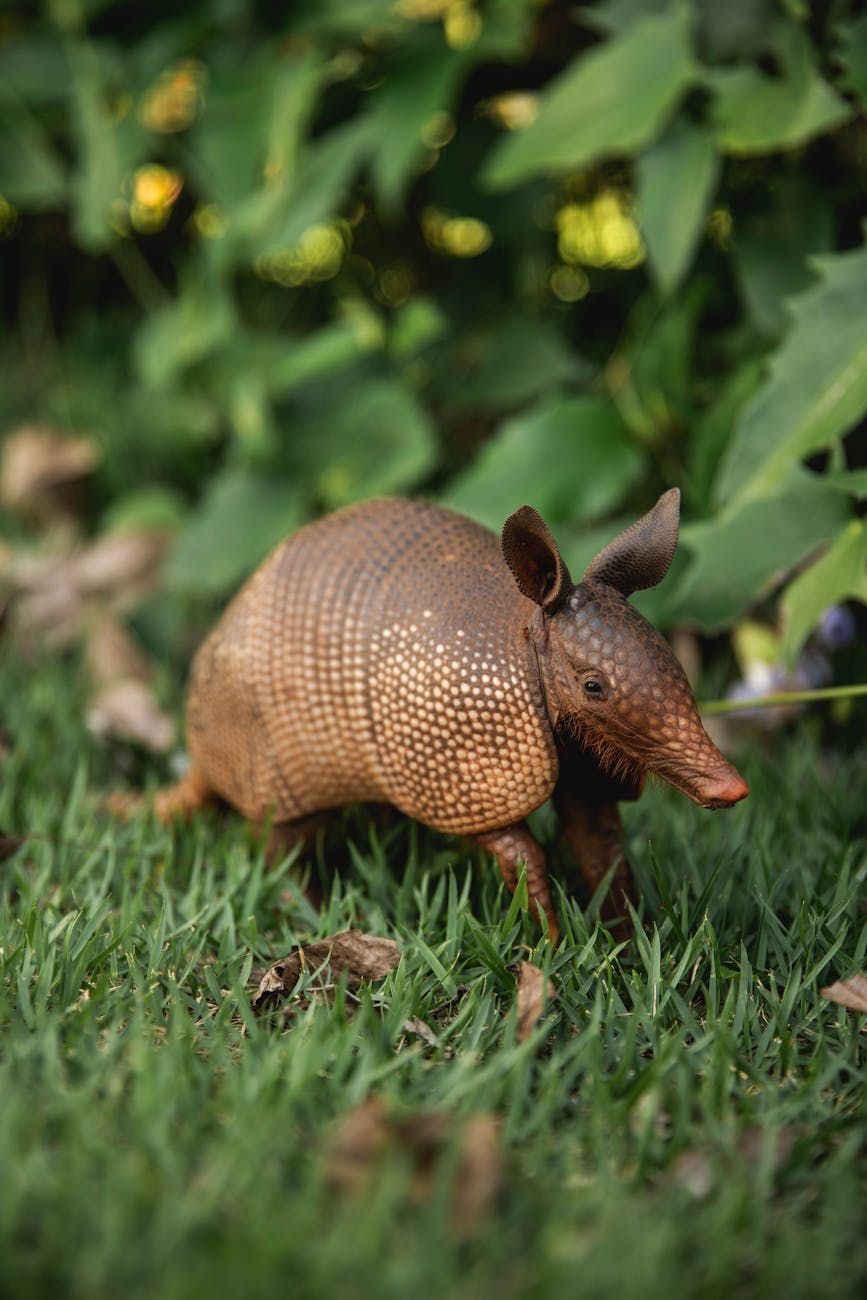
Armadillos May Help Scientists Understand What Makes Two Brains Different
What makes us unique individuals, setting us apart from others? Why do two people think differently and have different perceptions? In many ways, this comes down to differences in our brains. But how do those come about? This is a complex question that has rattled humans for ages and seems impossible to answer; however, some scientists think we might be able to get answers, not by looking at ourselves, but by observing a little animal friend called the armadillo. That’s right, in a recent perspective piece in the journal Frontiers in Mammal Science, scientists from Yale University bring attention to how the nine-banded armadillo can act as a model to answer questions about how brains become unique across individuals.
To understand how an armadillo can help us, we must first understand what influences two brains to become different. One major influence is genetics. We all contain a unique set of genes that differ from one another (unless you have an identical twin), and these different sets of genes can lead to differences in brain structure, function, and connectivity. But the environment also has a major role. Things like diet, socializing, and positive and negative stressors can all feed into how our brains develop differently. Genetics, environment, and how the two interact are often the main areas of focus when studying brain development, but there’s another player in the game that is sometimes overlooked — randomness — referred to as stochastic developmental variation.
Stochastic developmental variation (SDV) is a concept suggesting that randomness within events during development, like cell division or the formation of neuronal connections, can create differences between individuals, even those that have an identical genetic makeup. Evidence for this concept have come from studies done with “simpler” organisms, such as fruit flies. For example, a study in the journal Science showed that SDV during development affected the way individual flies would follow a line, with some fruit flies being careful and others weaving, even though they were all genetically identical! However, SDV has remained challenging to study in mammals as it can be “noisy” and difficult to detect in the presence of genetic and environmental differences…
Queue the armadillos!
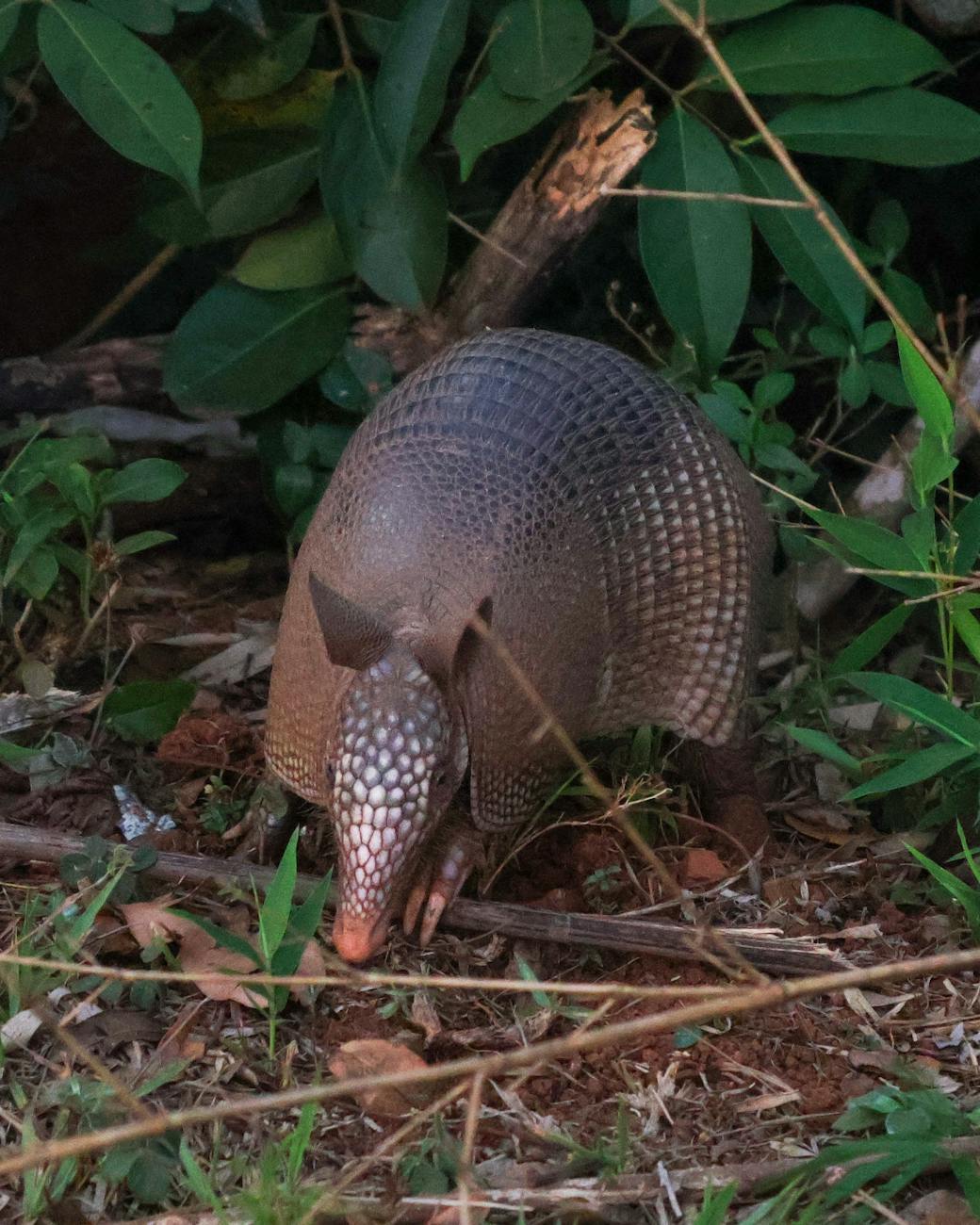
Nine-banded armadillos are a unique mammal because they give birth to genetically identical quadruplets — yes, four little armadillo clones. Because this type of breeding eliminates the noise issue from genetic variation, and scientists can control an environment to be stable and equal, the armadillo offers a rare opportunity to study the role of SDV in brain development in a fellow mammal. Scientists hope to leverage armadillos as a model to gain insight into fundamental brain biology and explore how randomness during brain development leads to variations in cognition and behavior. Moreover, scientists hope to gain knowledge related to health by possibly identifying how SDV influences the development of neurological conditions in one related individual but not another.
So, armadillos may one day help us better understand ourselves. They offer a rare window into understanding how genetic, environmental, and stochastic factors combine to shape brain development. So the next time your unique brain thinks about what makes you special, I hope you will remember about the little armadillo out there, somewhere, that might be helping scientists unravel the mysteries.
[If you want to read the full perspective piece, you can find it here]

 Science With A Funguy
Leave a comment